
Chintan aur Anuchintan
“ Education is not the learning of facts, but training the mind to Think” : Albert Einstein
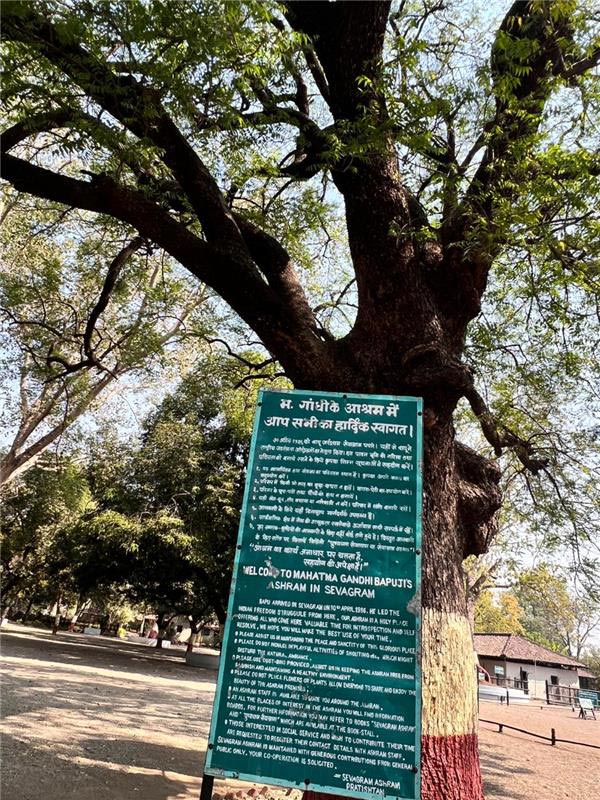
NaiTalim, meaning “New Education” in Hindi, is a concept of education developed by Mahatma Gandhiji, emphasizing practical skills and vocational training alongside academic learning. It aims to create self-reliant individuals who can contribute to their communities, particularly in rural areas. NaiTalim focuses on learning in the mother tongue, incorporating handicraft work, linking work to local needs, and promoting socially useful and productive work.
Focus on Practical Skills
NaiTalim emphasizes on skill-based training with a belief that education should equip individuals with practical skills to support themselves and their communities.
Learning in the Mother Tongue
Learning in the mother tongue as the primary medium of instruction, connects children to their roots and widens their imagination while recognizing the importance of local languages and cultural identity.
Handicraft Work
Handicraft work should be integrated into the curriculum to promote practical skills, creativity, and a sense of self-reliance.
Local Needs
NaiTalim aims to connect education with the specific vocational needs of the local community, making it relevant and useful for the individuals involved.
Socially Useful Work
The goal is to cultivate a sense of social responsibility by engaging students in productive work that benefits society as a whole.
Holistic Development
NaiTalim seeks to develop the individual holistically, encompassing physical, mental, and spiritual aspects of learning, rather than just focusing on intellectual development.
Emphasis on 3Hs
NaiTalim emphasizes the 3Hs – Head, Heart, and Hand – representing intellectual, emotional, and practical development.
Relevance to Gram Swaraj
NaiTalim developed with the aim of achieving Gram Swaraj, or self-governance of villages, empower individuals and communities to be self-reliant.
In the present context, Mahatma Gandhiji’s idea of Nai Talim can be incorporated in the present day education policy by adopting the following practices:
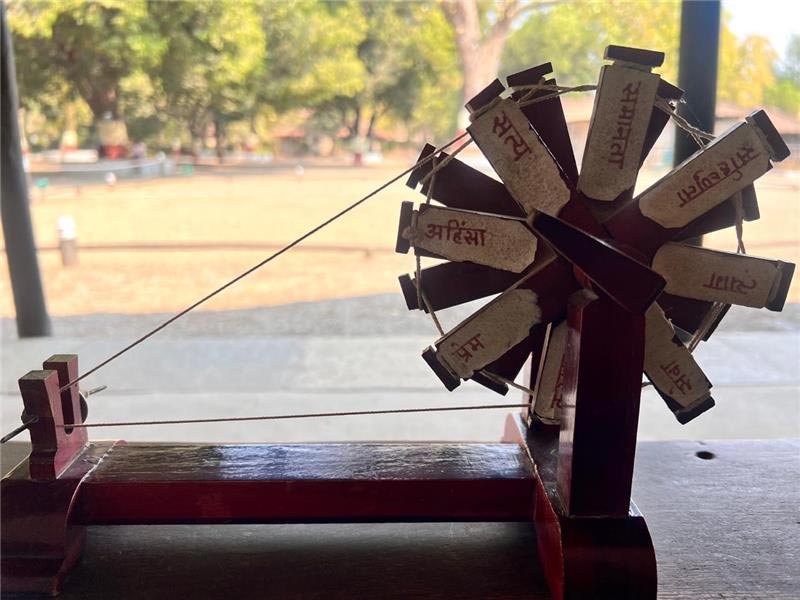
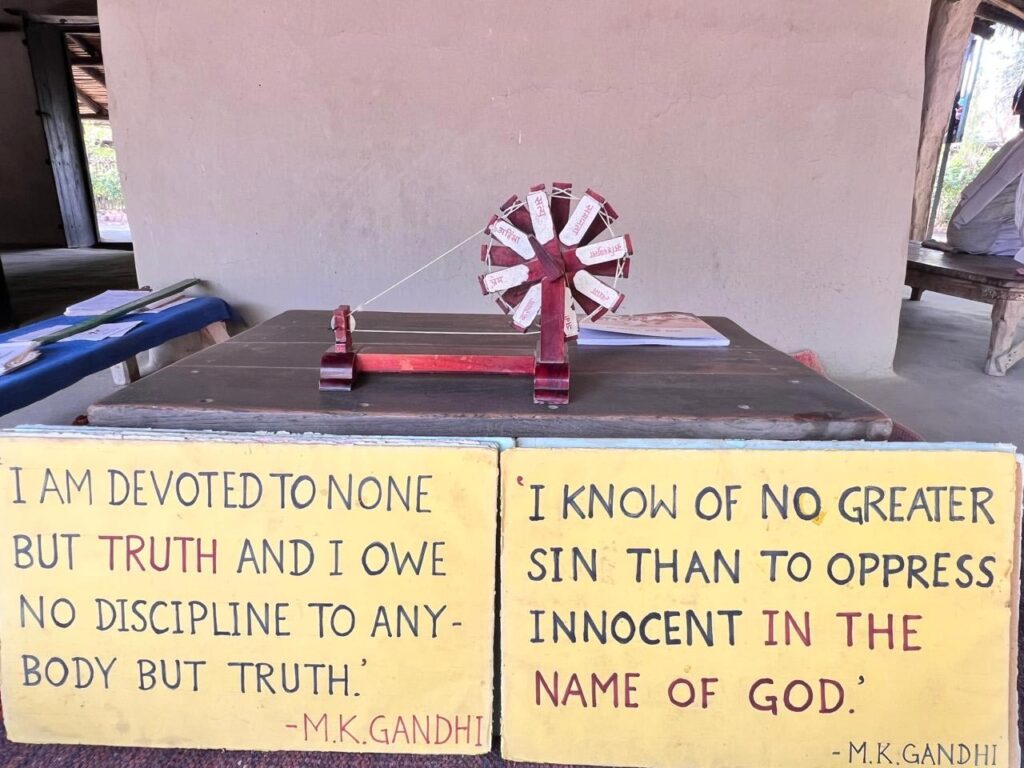
- To meet the ever increasing need to groom children for becoming good human being and good citizens of India, value-based education holds the key. As per the new education policy, the students should be ranked based on practice of Mahatma Gandhiji’s 8 mantras of good values that include: Karuna (compassion), Prem (love), Ahimsa (non-violence), Satya (truth), Samanata (equality), Sahisnuta (tolerance), Tyag (sacrifice) and Seva (service to the humanity), apart from academics and sports. It is believed that securing good marks in academics and being a good player in sports in school/ college/ university can help one in getting the first job whereas having good ranking in values can make him/her a good humane for life.
- Introduction of skill-based education from class 6-12 so as to ensure that the students after passing out Class 12, will be trained in atleast one skill.
- With unemployment conditions in India reaching rock bottom thus resulting in ever-increasing episodes of heinous crime, violence, assaults against women and children, drug-trafficking and poor law and order conditions, both the central government and state government of the day, need to engage with the unemployed educated youth through cutting-edge skill-building, research and development in village-level to groom them as grassroot knowledge experts in villages, and collaborating with the corporates and industries for providing them employment opportunities;
- ‘The soul of India lives in its villages’-Mahatma Gandhi
The holistic development of our country and our state Odisha would therefore be possible only when the people in our villages prosper. And for this, we need to view each village as a corporate entity or a joint-holding company and run it accordingly based on the principles of corporate governance through public-private partnership( PPP) model. - The Central and State Government should conduct a SWOT (Strengths, Weaknesses, Opportunities, and Threats) analysis of each village to understand the strength and weakness of each village ( from income-generating prospective as well) by engaging the local unemployed educated youth as grassroot knowledge experts. This would provide the locals more employment opportunities in the agro-based industry based on the major crops in the local area, textile, handloom weaving, rural tourism and manufacturing sectors .