
Jalvayu Parivartan
Climate Change, Sustainability & Village Self-Reliance
“Be the CHANGE we want to see in the world”
— Mahatma Gandhi
The love for villages, village life, and transforming rural lives to be more meaningful and purposeful made Mahatma Gandhiji leave Sabarmati Ashram in Gujarat and settle in Sewagram Ashram Pratishthan in the Wardha district of Maharashtra in the year 1936.
Gandhiji and Kasturba Gandhi stayed in Bapu Kuti, Sewagram from 1936 to 1946. Driven by his vision of local self-reliance and sustainable eco-architecture, Gandhiji insisted that Bapu Kuti be constructed entirely by local villagers using only materials available within the village.
He also pioneered a practical methodology for skill-based education through ‘Nai Talim’ schools, where children were taught essential life skills, environmental responsibility, and vocational crafts alongside academic subjects.
💡 Historical Significance
It is worthwhile to mention that the historic Quit India Movement was conceived and planned right from Bapu Kuti, Sewagram.
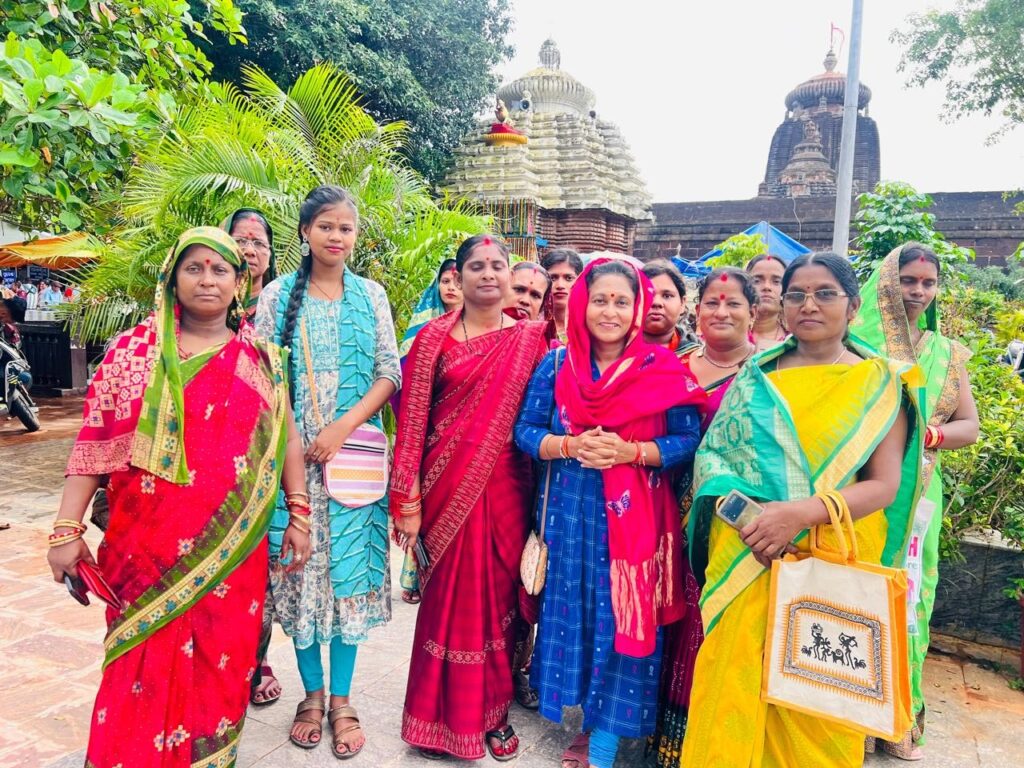
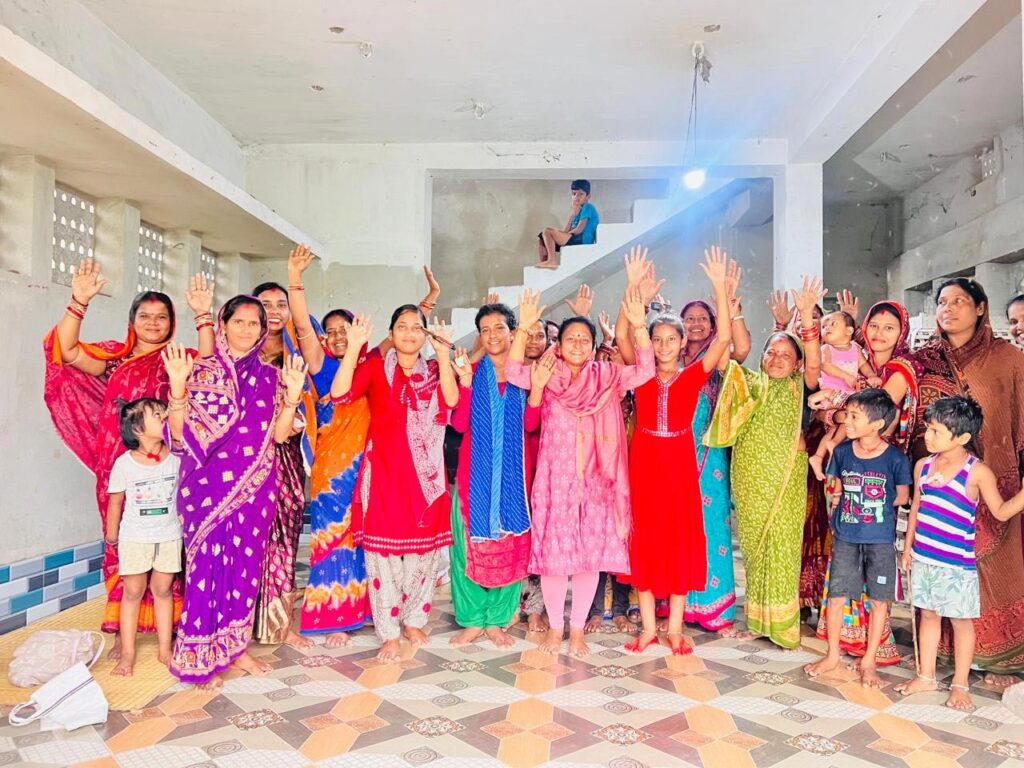
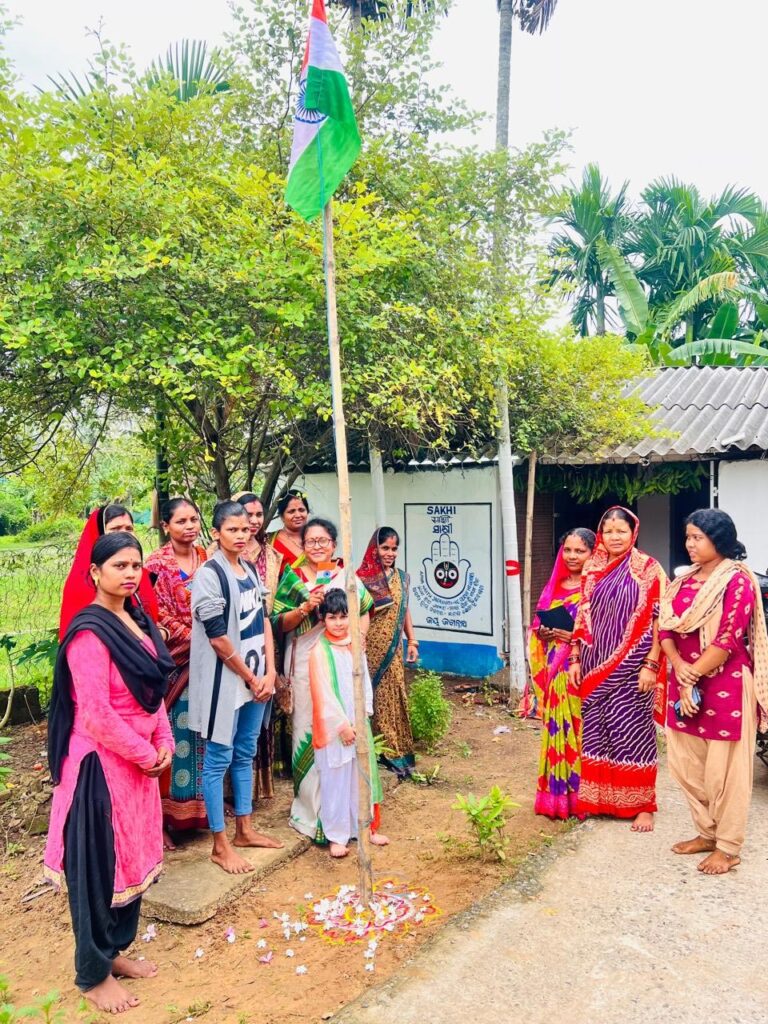
Jalvayu Parivartan — Why is it Happening?
Understanding the Root Causes of Environmental Degradation
⚠️ Mother Nature is Crying for HELP Now!
Lack of respect for Mother Nature and our motherland is evident in the rapid increase in landslides. Overemphasis on constructing concrete structures in naturally endowed, beautiful regions in the name of tourism development hits Mother Nature very hard.
1. Overemphasis on Urbanization & Mining Industry Growth
Unchecked urbanization, relentless tree cutting, and the destruction of natural forests in the name of “development” and industrial growth are destroying tribal villages and ecological balance.
2. Poor Urban Planning & Excess Vacant Real Estate
The rapid creation of concrete jungles for real estate development is severely mismanaged. Evidence shows a massive excess of supply over demand, with countless residential flats lying empty and unoccupied despite continuous habitat destruction.
3. Unrestricted Individual Ownership of Land & Property
A complete lack of restriction on the number of plots and flats an individual can own fuels speculative real estate expansion, hoarding, and environmental degradation.
4. Ineffectiveness of Symbolic Tree Plantation Campaigns
Symbolic plantation initiatives like ‘Ek Ped Maa Ke Naam’ cannot compensate for the mass deforestation and land destruction being inflicted on Mother Earth. This imbalance accelerates rapid climate change across India, especially in Odisha.
5. COVID-19 Lessons: Villages vs. Highly Urbanized Centers
While COVID-19 created intense health scares across highly urbanized city centers, loss of lives in rural villages was far lower. Thanks to greener surroundings and healthier lifestyles, villagers thrived, prompting a historical reverse migration from cities back to villages.
💡 Takeaway: Celebrating decades of hyper-urbanization runs entirely contrary to Mahatma Gandhi’s vision of prosperous, self-sustaining rural communities.
6. Suppression of Environmental Activism
Incidents like senior environmentalist Medha Patkar and her colleagues being prevented by state police from attending a discussion forum in Rayagada, Odisha, raise grave concerns regarding the fundamental constitutional right to Liberty of Thought and Expression.
Jalvayu Parivartan — How Do We Fix It?
Actionable Policy Reforms & Individual Responsibilities
1. Make Villages the Epicenter of Economic Growth
Significantly increase the budgetary allocation for agriculture and allied rural sectors to boost sustainable, village-led development.
2. Priority Sector Lending for Rural Enterprises
Include village-based small enterprises under Priority Sector Lending (PSL) categories. This will provide local youth with accessible capital and sustainable job opportunities right in their native villages.
3. Nationwide Ban on Single-Use Plastic Manufacturing
Central and State Governments must enforce a total ban on manufacturing single-use plastics. With India generating immense plastic waste, drastic measures are essential to make the air clean and breathable.
4. Clean Air First: Making Wellness Initiatives Meaningful
While International Yoga Day (June 21) encourages healthy living, practicing deep breathing in highly polluted urban air is counterproductive and harmful. Restoring air quality through environmental protection must precede health campaigns.
5. Cap Individual Property Ownership to Curb Corruption & Real Estate Sprawl
Enforce statutory caps on the number of residential flats and plots an individual can own. Recent vigilance raids revealing state officials holding up to 90 plots and 10 flats highlight the need to curb black money and prevent speculative real estate expansion.
🌱 Individual Actions for Every Citizen
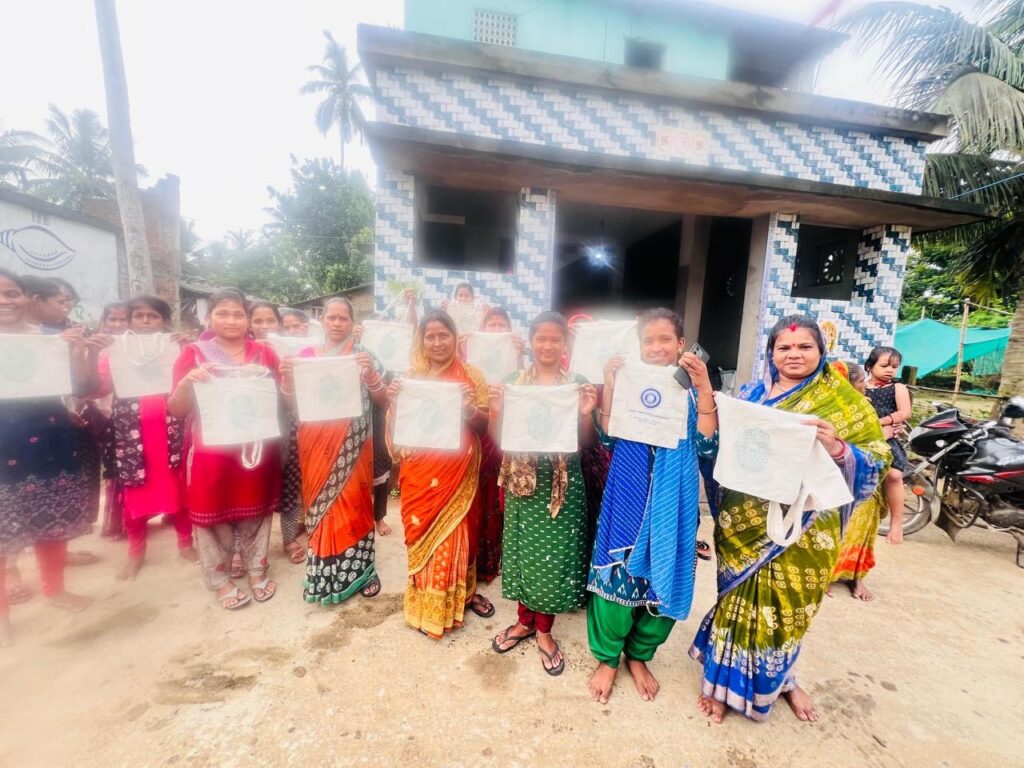
Every individual can contribute daily by switching to cloth carrying bags instead of polythene bags and adopting stainless steel water bottles in place of single-use plastic bottles.